For parents: The first weeks home with your new baby are not the time to do it all. Your body needs to heal, sleep will be scarce, and your newborn baby needs a lot of attention.
Different people are equipped to help out in different ways. Some may gift money & encouragement for using professional services, others thrive on getting their hands into the dirty dishes & laundry, or being ready with the water, tissues, and a sympathetic ear.
Here are the top areas of support that we recommend lining up before the baby arrives:
1. Postpartum Doula
What is a doula? DONA defines a doula as “a trained professional who provides continuous physical, emotional and informational support to their client before, during and shortly after childbirth to help them achieve the healthiest, most satisfying experience possible.” This is someone who is educated and certified to know how to care for a postpartum mom, and is especially impactful in the first days home with a new baby.
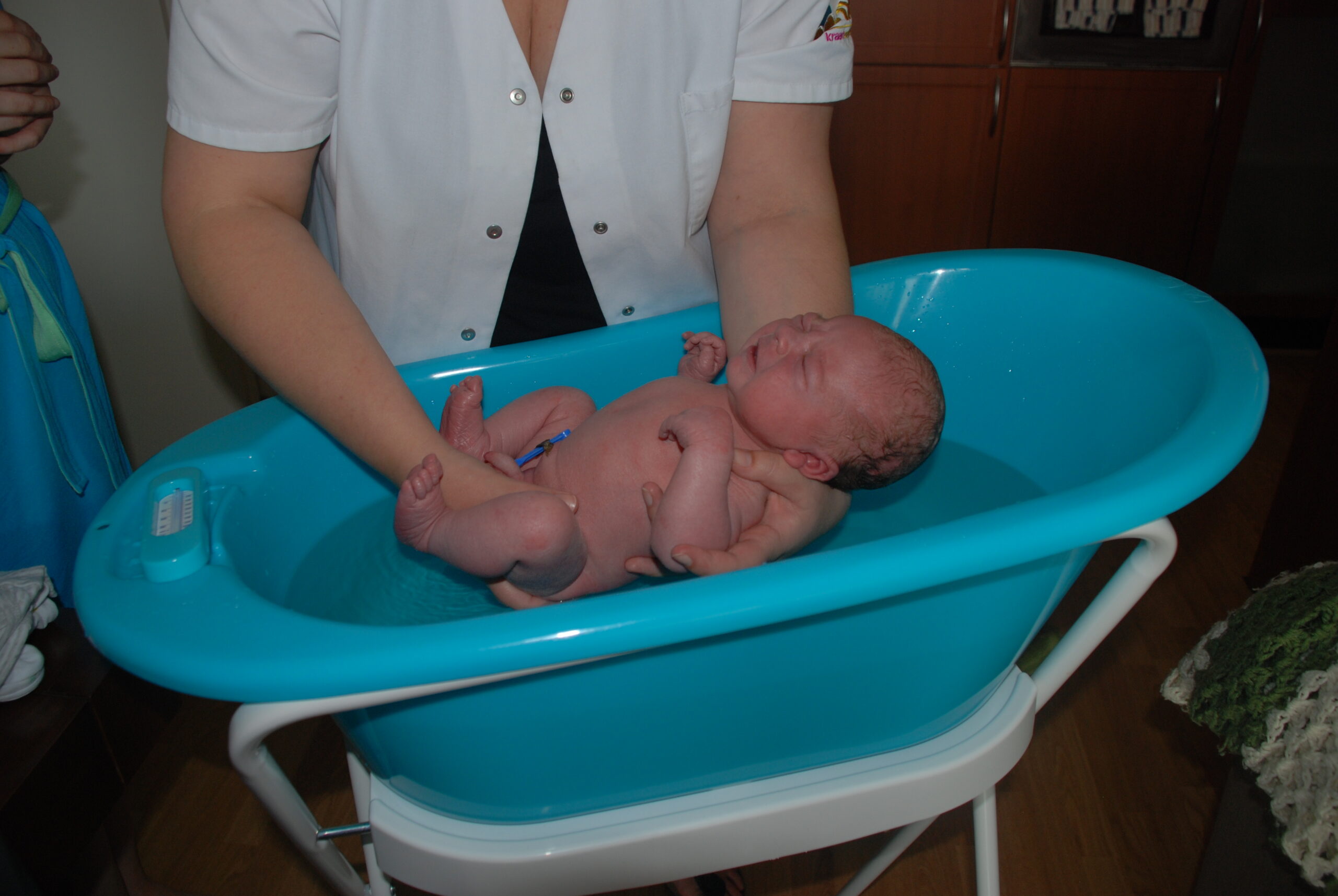
I had the priviledge of using a postpartum doula when my son was born in the Netherlands, where an in-home maternity caregiver is the normal, standard of care. Sabina spent a few hours a day checking on my physical recovery and mental health, answering questions, coaching on breastfeeding and bathing our son, and even provided my husband and me a guilt-free nap. And on top of all this luxury (and as much as I liked and respected her), our relationship lacked the complexities that often come with moms, mother-in-laws, sisters, and even helpful friends. For me, this provided an opportunity to be vulnerable in my worries (“is my baby getting anything/enough to eat from my breasts?”) and my requests (“I just pooped but am afraid I’ll wreck my perineal stitches if I wipe too hard…can you look at my butt and see if it seems clean?”). Some things you just don’t want to ask your husband.
2. Lactation
While 3 out of 4 women in the US start out breastfeeding, 60% don’t meet their own breastfeeding goals. Transitions – such as coming home from the hospital or going back to work – present risk points worth being prepared for. On the Popins blog, we’ve put together tips for breastfeeding success by preparing before delivery. And as important as snacks are, having knowledgeable, accessible support when you need it is critical.
Talk with your doula to understand their comfort level with breastfeeding, and having an Certified Lactation Consultant (IBCLC) at the ready. Breastfeeding isn’t always comfortable (or easy!) but it should not be painful!
3. Around the House
Taking care of a newborn is all consuming. If you delivered that newborn, your body needs to recover from that experience (this takes days and weeks, not hours). New parents might not be going into work, but parental leave is not a vacation. If you already have or can afford to hire someone to clean, do it and increase the frequency of how often they come for the first 4-6 weeks after your due date, and again when you go back to work. If hiring outside help is not an option, rally your village before baby arrives. Some specific recommendations:
- Know who’s on point for meals & clean-up.
- Ask the laundry doer to change the birth mom’s sheets every 1-2 days for a couple weeks.
- Ask the cleaner to clean the toliet the birth mom is using (ideally daily those first couple weeks).
- Check if a neighbor or friend can care for your pet.
- Have a list ready for what visitors can help with. You want to hold the baby? Switch the laundry and walk the dog first.
4. Mental Health
80% (that’s 4 out of 5) of women experience feelings of anxiety, worry and unhappiness shortly after childbirth. For 1 in 5 moms and 1 in 10 dads, anxiety, worry, and unhappiness are prevailing emotions; symptoms of Perinatal Mood and Anxiety Disorders (PMADs) like postpartum depression or postpartum anxiety which usually require treatment.
Before delivery, we recommend:
- Getting a list of available in-network therapists to have on hand; if there aren’t any with availability, have a back-up list of therapists in your area that you can call if needed. Alternately, there are apps providing virtual connections for mental health therapists.
- If you have an existing relationship with a therapist, schedule a proactive screening with them for about 3 weeks after your expected delivery. If you are feeling great, then high-fives all around. And if not, this appointment can help you get on a healing path sooner.
Often partners and supporting family & friends may notice that something is “off” before the person experiencing symptoms recognize they need help. Good resources for information and assistance include:
- Postpartum Support International provides helpful information for families, as well as a hotline: 1-800-944-4773
- National Maternal Mental Health Hotline: free, confidential 24/7 support before, during, and after pregnancy: 1-833-9-HELP4MOMS
5. Physical Health (below the belt)
Many moms feel pressured to “bounce back” after having a baby or put their bodies in the backseat, resulting in difficulty getting back to activities they enjoyed pre-baby. But – joking about leaks on your run, never passing a bathroom without stopping, and avoiding trampolines with your kids don’t have to be your fate forever. Many women can return to safe, healthy activity with the right tools and plan.
Depending on your health insurance/provider, you may be able to get a Postpartum Physical Therapy assessment that is in-network/covered, and most areas have private pay options that range from $60-$150 for the initial consulation.
Set up an appointment about 6 weeks after your expected delivery date (ideally before your baby arrives so you have one less thing to do after). The physical therapist can see how your pelvic floor is healing and address common concerns like separated abs and back pain.
How to pay for all this?
Maybe you’ve been saving for retirement; but most of us don’t have an investment fund set up for baby supplies + perinatal support network. There are options outside draining your savings:
- Talk to your provider about what services are available in network. More and more health systems have lactation support available, for example.
- If you have a Health Savings Account, now is a good time to use it. If your mental health or physical therapist is out of your insurance network, they should be able to provide the info you need to use your HSA funds.
- Check out BeHerVillage – a gift registry platform helping parents get the funds they need for the support they deserve! Expecting parents can create a registry for support and get gifted funds directly into their bank account to pay for an awesome support team.
With this great support team that you’ve lined up, you can feel good and spend more time on what’s most important.